Coronavirus (COVID-19) Myths, Facts, and Tips
By Laurie Leiker•
COVID-19
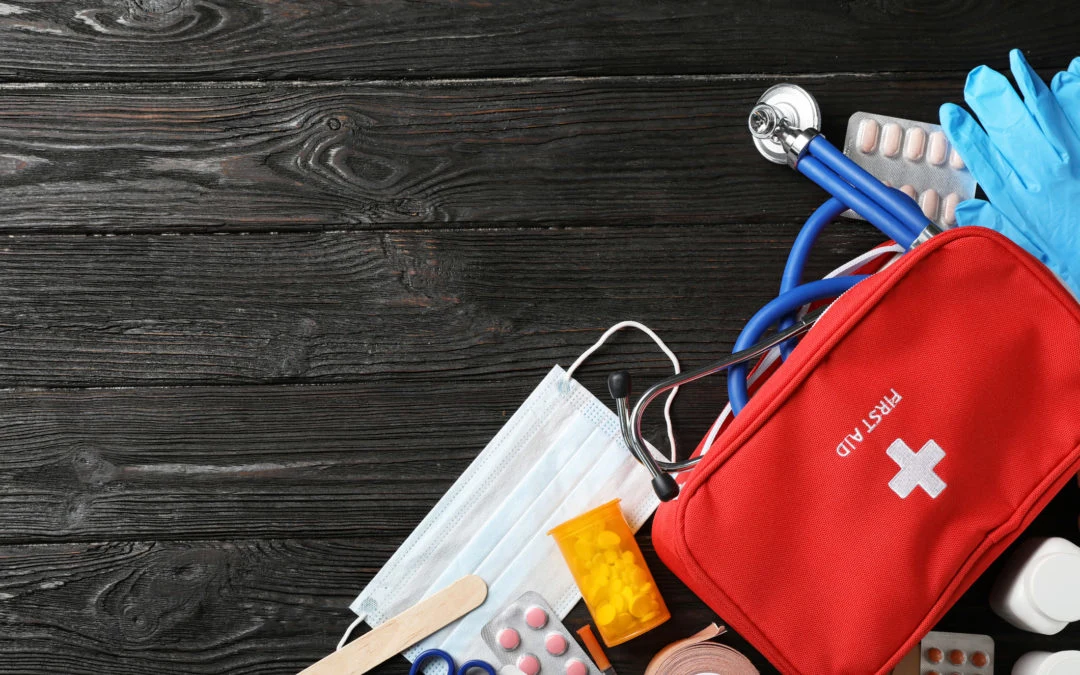
The news headlines are full of the spread of COVID-19, also known as coronavirus. Everyone is rushing to the store to get face masks, hand sanitizer, and emergency supplies. Some stores have even had to put a limit on how many bottles of hand sanitizer can be bought at one time.
At the same time, government officials are urging Americans to remain calm and practice safe hygiene. Yes, they say, it is a problem and could be a big problem in the US. But for now, they’re preparing and asking everyone to take a wait-and-see attitude.
Perhaps you’re wondering if you should be worried and constantly hitting refresh on your newsfeed for the latest updates. We’re here to outline the virus, and how you can prepare yourself.
What is Coronavirus?
--------------------
“Coronavirus” is actually a large family of viruses that cause everything from the common cold to more serious respiratory illnesses. According to the World Health Organization, viruses are spread from human-to-human contact. Symptoms are what we would expect from a cold or upper respiratory infection — fever, stuffy nose, chills, cough, and potentially, shortness of breath and difficulty breathing.
The coronavirus at the center of the current health alert is called COVID-19. As of March 2, 2020, the World Health Organization reports there have been almost 90,000 people worldwide infected across 65 countries.
In most healthy people, COVID-19 creates symptoms similar to the flu, but worse, where you feel tired, have a cough, fever, and chills. However, for those with compromised immune systems, and the elderly, COVID-19 has proven fatal. Of the 82 who died in Wuhan, China from the virus, 80% were over 65 and had other conditions, such as high blood pressure, diabetes, or cancer. It’s also unknown at this time if there are any longer-term side effects for those who have had COVID-19 and recovered.
The good news is that, as with most viruses, COVID-19 is not necessarily a reason for deep concern, especially if you’re otherwise healthy. And there are steps you can take to prepare yourself for COVID-19.
COVID-19 Myths & What You Should Know
-------------------------------------
Because the virus has spread so quickly, and so many have been impacted around the world, a lot of myths have popped up about COVID-19. Let’s look at some of the top myths that are untrue:
Wearing a face mask will prevent COVID-19. Face masks will not prevent you from getting COVID-19 and the US Surgeon General has issued a statement asking healthy people to stop using them. With so many buying face masks, medical professionals are having a hard time keeping up with the demand within their practices, causing potential health issues for others, especially those with compromised immune systems. Until the government says otherwise, leave face masks to the medical professionals and those for whom they care. NOTE: Wearing a face mask when traveling by air may give you some peace of mind, but, according to the CDC, if you’re otherwise healthy, it is unclear whether a face mask will give you added protection and may actually increase your likelihood of infection. Those wearing face masks tend to touch their faces more often, which increases the chances of becoming ill. There is a vaccine available for COVID-19. There is not. Scientists are currently working on creating a vaccine, but there is not one available now. Here’s an up-to-date list of where those vaccines stand.* Buying products from China will give you COVID-19. Like most viruses, COVID-19 does not last long on hard, non-porous surfaces. The virus will die within several hours of coming into contact with someone exhibiting symptoms.
Preparation is Key To Keeping Yourself and Others Safe
------------------------------------------------------
Unfortunately, because COVID-19 is spreading quickly, and there are so many unknowns, government officials around the world are taking steps to slow the spread. Japan has closed schools for a month. Cities in Italy, South Korea, and Iran, as well as those in China, have asked their citizens to shelter in place.
Although it feels like there’s nothing to be done, there are things each person can do to prepare and protect themselves. Let’s look at five things to consider:
Wash your hands.
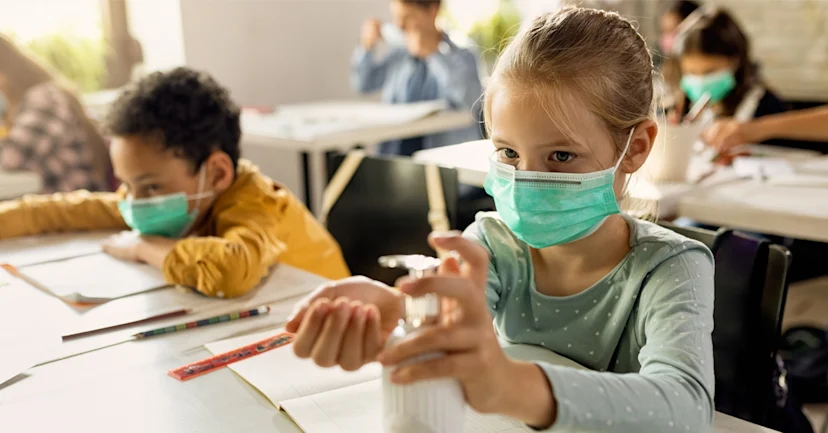
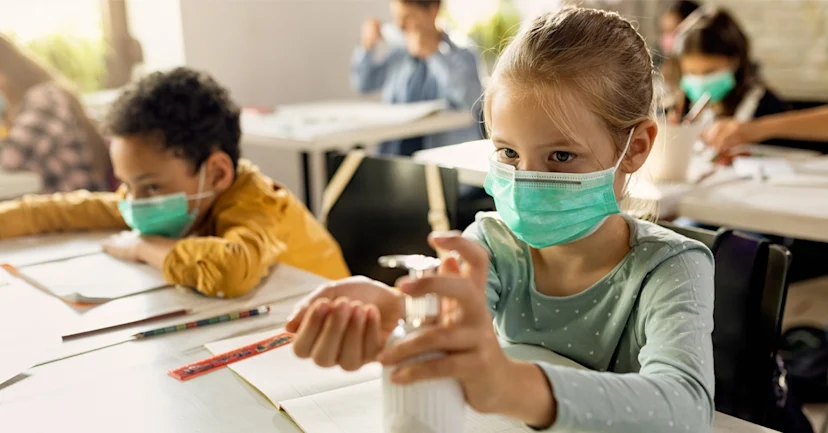
Yes. It’s as simple as that. If you’re not already in the habit of washing your hands, now’s the time. The Centers for Disease Control and Prevention (CDC) says that washing your hands for 20 seconds under warm water with soap is the single most important thing you can do to keep yourself healthy.
When soap and water aren’t available, keep hand sanitizer available. Hand sanitizer comes in a variety of sizes, making it easy to slip into a pocket, bag, or find a spot on your desk or counter.
You can make your own hand sanitizer at home by combining 95% isopropyl alcohol and aloe vera. Simply pour the results into a bottle or small container to carry with you. You can store what you make for up to three months.
Be prepared to stay home.
There may come a time when you’re asked to shelter in place, staying home instead of going out. It might come at the request of authorities, or you might find you’ve become ill. In either case, make sure you have enough supplies at home for two weeks, which is the average length of quarantine.
The biggest preparation is to make sure you have enough of your regular medications for 14 days; talk with your primary medical professional about whether you’ll need another prescription.
If your insurance policy won’t cover an additional prescription fill for the month, check out RxSaver™ to find available discounted coupons on your medications.
Talk with your employer.
Most companies are starting to consider ways in which they’ll stay open as things get worse. Will they allow you to work from home? If so, make sure your home internet is stable and that you have the supplies you need in both places. What about sick time? With a possible wide-spread outbreak of COVID-19, it’s likely many will be out or unable to work. Will your employer’s sick leave policy make allowance for your getting ill and having to be quarantined?
Check with your children’s school.
While most companies are preparing, so are school systems. Be part of the planning process. A quarantine may mean extra days added to the school year, which may shake up other plans for the summer holidays. If lessons are not going to be available, make sure to have some educational materials at home that the children can take advantage of while they’re home with you.
Talk with your family.
Keep communications open with all your family members, both those living with you and those not. Talking about the situation logically and rationally will help keep everyone calm. Discuss your emergency preparedness plan. And get everyone on board with how your family is going to handle what could be a lengthy time alone together.
Trust Your Gut and Use Your Best Judgement
------------------------------------------
Most of all, with COVID-19, use common sense. There is no place for panic right now. Use common sense when preparing for spending some time at home. Stock your favorite foods, the amount of paper products your family would need, favorite games, and other necessities for staying home.
The situation with coronavirus COVID-19 is changing rapidly. New information, new statistics, new questions, are coming out almost on an hourly basis, making it easy to feel anxious. Just remember – prepare now, calmly, logically, and rationally. Then, when the time comes for action, you and your family will be ready.

Laurie Leiker
Laurie Leiker started working with consumers back in the 1990s, as a producer of the consumer-advice radio show, The Troubleshooter, in Denver, Colorado. Since then, she has contributed to numerous websites, helping consumers find the best deals and avoid problems. Laurie is a regular contributor to the RxSaver blog, as well as other websites across the web.
The information on this site is generalized and is not medical advice. It is intended to supplement, not substitute for, the expertise and judgment of your healthcare professional. Always seek the advice of your healthcare professional with any questions you may have regarding a medical condition. Never disregard seeking advice or delay in seeking treatment because of something you have read on our site. RxSaver makes no warranty as to the accuracy, reliability or completeness of this information.
If you are in crisis or you think you may have a medical emergency, call your doctor or 911 immediately.