
Why Handwashing is Critical to Avoiding Colds & The Flu
By Lisa Fields•
Cold & Flu SeasonCommon ColdThe Flu
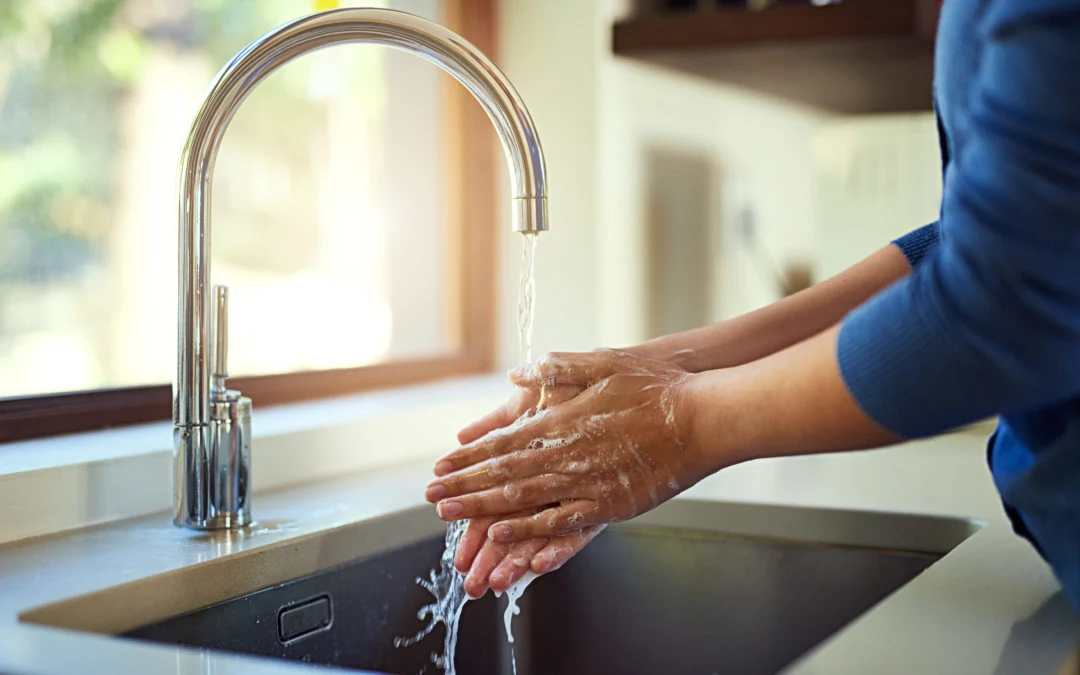
Even if you get a flu shot, eat a healthy diet and stay at arm’s length from friends and coworkers who cough and sneeze, there’s still more that you can do to lower your chances of getting sick during cold and flu season. One of the best ways to reduce your risk of illness is to wash your hands often throughout the day.
How germs may get on your hands:
Research has shown that the flu and other viral infections, including colds, may be spread by the hands.Cold and flu germs enter the environment when infected people cough or sneeze. If someone doesn’t cover his nose or mouth, a mist of microscopic germs goes airborne. The germs may land on surfaces that you later touch, and you unknowingly get them on your hands. If someone covers his nose or mouth to stifle his coughs and sneezes, the germs get onto his hands. Unless he washes his hands right away, he’ll transfer those germs from his hands to any items that he touches.
Think about all of the things that you touch regularly that other people have touched before you: Money. Doorknobs. Elevator buttons. Supermarket shopping cart handles. Some research has shown that germs may live on surfaces such as these for several hours.
Why germs on hands may cause illness:
Germs that cause the common cold or the flu can’t get you sick if they stay on your hands; the germs need to enter your respiratory system in order for you to become ill.
This transfer of germs may happen whenever you touch your face. The germs may be able to enter your system through the mucous membranes lining your eyes, nose or mouth. You may not realize how often you rub your nose, scratch your eye or put your hand to your mouth throughout the day, but it’s a fairly common practice. One study showed that people touched their faces nearly 16 times per hour while doing office work. Another study01281-4/fulltext) found that medical students touched their faces 23 times per hour.
How handwashing helps:
If you’ve come into contact with viruses that cause colds or flu, you can reduce your risk of getting sick by washing your hands before you mindlessly touch your face.
The best way to wash your hands is with soap and running water. When you rub your hands together to lather, then rinse, it creates friction that helps to remove germs from the surface of your skin, and the running water flushes the germs away.
If you don’t have access to running water, washing with soap and whatever water is available to you is an effective next-best option. When this isn’t possible, use hand sanitizer that contains at least 60 percent alcohol. Although it’s not ideal in every circumstance – hand sanitizer isn’t effective if your hands look dirty or greasy, and it won’t remove all germs from your hands – it’s a good option when soap and water aren’t available.
How to wash your hands:
The Centers for Disease Control and Prevention recommends that you wet your hands with cold or warm water, apply soap, then rub your hands together for at least 20 seconds, making sure to clean the fronts and backs, plus underneath your fingernails. (If you can’t estimate how long 20 seconds is, try singing the “Happy Birthday” song in your head twice; that’s the right length of time.) When you’re ready to rinse, use cold or warm running water again, then dry with a clean towel or allow your hands to air dry.
If you’re using hand sanitizer, place the recommended amount of product in the palm of one hand, then rub the liquid into both of your hands, fronts and backs, until your hands feel dry.
When to wash your hands:
Don’t wait until your hands look dirty to wash them; there are several times throughout the day when you should wash your hands. Always wash before eating and after using the bathroom. When you’re about to prepare food, wash first, then again when your hands become soiled and once more after you’re finished. Whenever you’ve coughed, sneezed or blown your nose, wash your hands. And if you’re caring for someone else who’s sick, wash before and after assisting that person.
It may also be helpful to wash after shaking hands with someone. Some research has shown that handshakes transfer twice as many germs to another person’s hand as high-fives do, and fist-bumps transfer even fewer germs than that. This is likely because the physical contact between people is longest, and the grip is strongest, during handshakes. Consider avoiding handshakes altogether during cold and flu season if you can do it politely, perhaps by offering a more casual greeting.
And it couldn’t hurt to wash your hands whenever you think of it, just to be safe.

Lisa Fields
Lisa Fields is a freelance writer who specializes in health, psychology, and wellness. A regular contributor to the RxSaver blog, she has also written for Reader’s Digest, WebMD, Good Housekeeping, Women’s Health, Next Avenue and many other publications.
The information on this site is generalized and is not medical advice. It is intended to supplement, not substitute for, the expertise and judgment of your healthcare professional. Always seek the advice of your healthcare professional with any questions you may have regarding a medical condition. Never disregard seeking advice or delay in seeking treatment because of something you have read on our site. RxSaver makes no warranty as to the accuracy, reliability or completeness of this information.
If you are in crisis or you think you may have a medical emergency, call your doctor or 911 immediately.