What Is A Light Therapy (SAD) Lamp and How Does It Work?
By Lauren Modery•
Mental Health
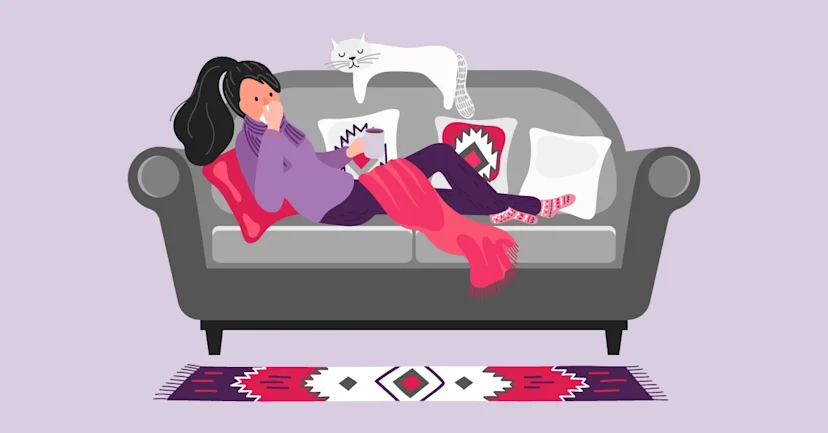
We’ve talked about SAD—Seasonal Affective Disorder—on RxSaver often. It’s a very real affliction that affects over 10 million Americans each year, typically during the winter months. We’ve also talked about how January is one of the most depressing months of the year for a variety of reasons—lack of sunshine which can decrease serotonin levels, mixed emotions from the holidays, sadness that the holidays are over, dread over going back to work, inactivity, and looking down the tunnel of many months of cold, gray weather.
There are several ways to help manage SAD in the wintertime including seeking mental health help, taking prescription medicine, scheduling vacations and outdoor activities, partaking in some self-care, and checking in with your primary care physician to ensure your blood work and sleeping patterns are all in order.
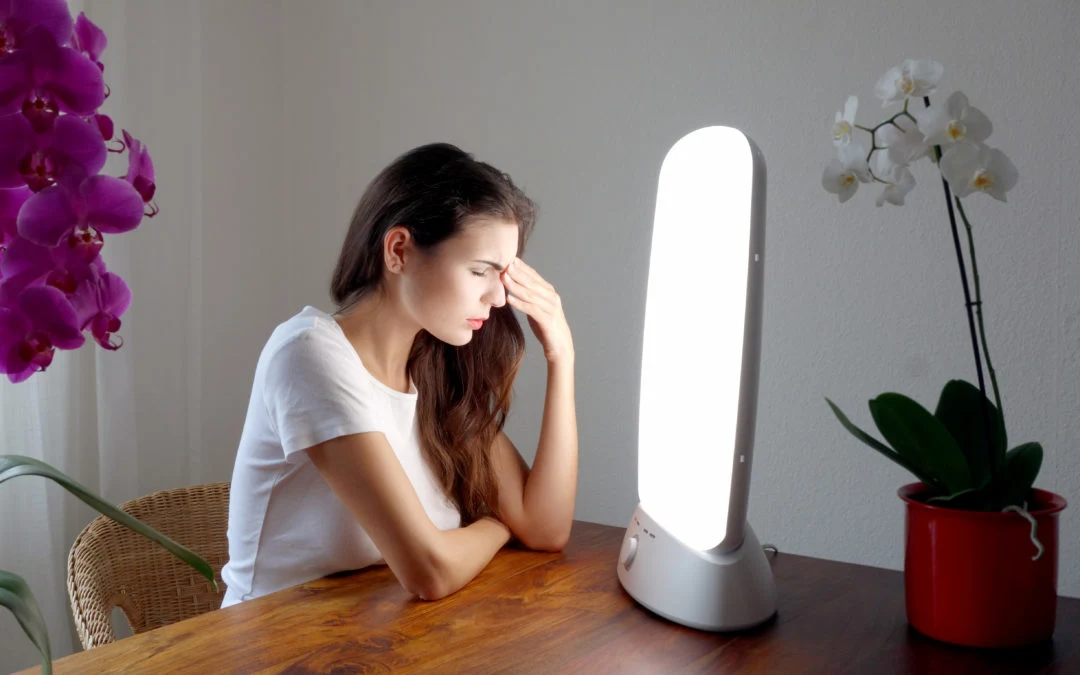
Another tool to possibly manage your SAD symptoms is a light therapy lamp, otherwise known as light therapy box or SAD lamp.
According to the Mayo Clinic, a light therapy lamp is designed to mimic the sunlight you experience outside. More specifically: The light therapy lamp emits 10,000 lux, or unit of illuminance, which helps release serotonin in the body. Serotonin is a neurotransmitter that plays a role in our moods, as well as playing a role in our digestion and cardiovascular systems.
Studies have found when serotonin levels are low, it can cause depression, anxiety or sleeping issues. Since sunlight helps release serotonin in the body, but the wintertime often means we spend less time in the sun, a light therapy lamp can be a good option for many people.
Studies have also shown that light therapy to treat SAD or depression is effective. A 2010 study published in the International Journal on Disability and Human Development concluded that for the 15 participants “a significant immediate reduction of depression scores with light treatment can be identified after 20 minutes and reached the maximum at 40 minutes, with no additional benefit at 60 minutes” Anecdotally, many users of light therapy lamps rave about its benefits of managing SAD or depression symptoms.
After living for years in sunny climates, Sarah D. found herself in beautiful but oftentimes gray and cold Bozeman, Montana. Because Sarah is “notoriously grumpy and depressed in the winter,” her mother bought her a light therapy lamp. This was almost a year ago. “I don’t think you can underestimate the impact on your mental health of living in a place where sunshine and warmth vanish for most of the year,” says Sarah. “My light therapy makes me feel like I’m at least trying to combat SAD with everything available to me.” When we asked her how she feels if she doesn’t use her lamp, she said, “I feel anxious when I skip it on a gray day.” She conceded that it could be a placebo effect, but she says she’s not sure and she doesn’t really care. She has found light therapy to be extraordinarily helpful for her while living in Montana.
But a light therapy lamp isn’t just helpful for people experiencing SAD.
Hannah M. was first prescribed a light therapy lamp by her doctor to help with anxiety, depression and sleeping issues. She didn’t use the lamp until her sleeping issues worsened due to Lyme disease. Now she can’t live without it, and she finds it beneficial for her overall well-being. “Because I have Lyme disease, my circadian rhythms are very sensitive and minor disruptions can make or break a day or a week. The light helps me stay on track, and reduces my insomnia.”
According to the Sleep Foundation, a sleep advocacy and education nonprofit, light therapy can be an effective tool in “regulating your body’s sleeping and waking cycles.” In addition to helping with her sleep, Hannah takes a small, foldable lamp when she travels that boosts her mood while visiting cold and gray places.
When purchasing a light therapy lamp, it’s important to make sure the light indeed works with depression or mood disorders. Typically the higher the lux the better. Light therapy lamps come in all shapes and sizes, from large 12+-inch panels you keep on your desk or nightstand, to small ones that look like book lamps. They typically range from $50 on the smaller end, all the way up to $150-$200 on the larger end.
Before going forward with light therapy, it’s always good to talk to your mental health therapist or primary care physician about whether this is a good option for you. Light therapy is generally a very safe practice, but the Mayo Clinic lists “eyestrain, headache, nausea, irritability or agitation, and mania, euphoria, hyperactivity or agitation associated with bipolar disorder” as possible side effects.
As we mentioned before, SAD is a very real affliction that affects millions of people. You are not alone, and we hope you find comfort in whatever tools you collect to help you manage your symptoms.

Lauren Modery
Lauren Modery is a writer based in Boulder, CO. She’s written for Google, LIVESTRONG Foundation, Whole Foods, City of Austin, The Guardian, GOOD Magazine, Fodor’s, and several health & wellness startups. Her award-winning film, Loves Her Gun, premiered at SXSW in 2013 and was selected as a Critic’s Pick in the New York Times. Lauren is a regular contributor to the RxSaver Blog.
The information on this site is generalized and is not medical advice. It is intended to supplement, not substitute for, the expertise and judgment of your healthcare professional. Always seek the advice of your healthcare professional with any questions you may have regarding a medical condition. Never disregard seeking advice or delay in seeking treatment because of something you have read on our site. RxSaver makes no warranty as to the accuracy, reliability or completeness of this information.
If you are in crisis or you think you may have a medical emergency, call your doctor or 911 immediately.