
Info on the Relpax Generic Migraine Medicine’s Patent
By RxSaver Editors•
AnxietyHeadache
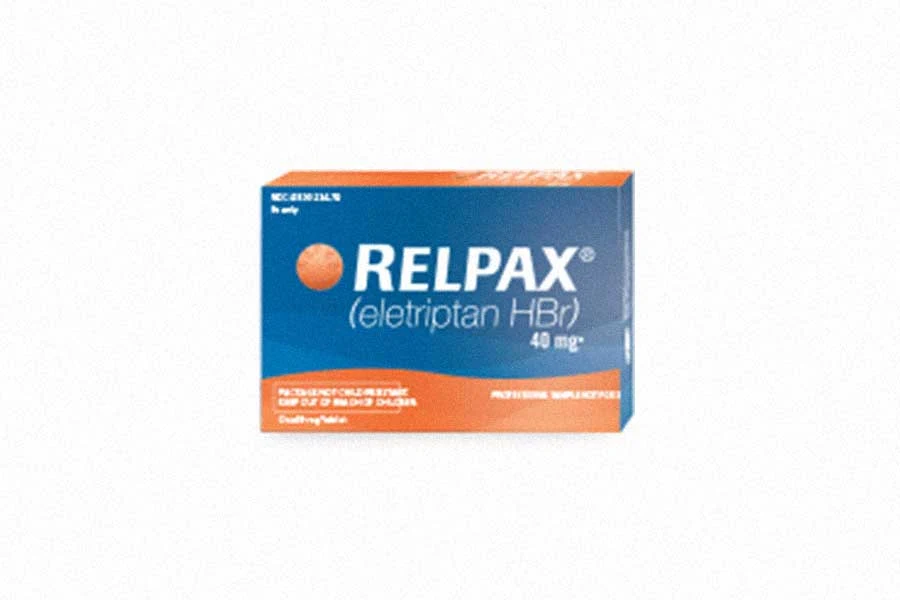
What is Relpax?
Relpax is a migraine medicine that works by narrowing blood vessels around the brain. It also reduces substances in the body that can trigger migraine symptoms, like headache pain, nausea, sensitivity to light and sound, as well as others.
Generic vs branded drugs – what’s the difference?
The FDA requires manufacturers to make sure the generic drug they sell is a nearly exact copy of the branded drug. Though some inactive ingredients, like the dyes that color the drugs, can change, the active ingredients must be identical in both generic and branded drugs.
Here you can read more about the difference between brand vs. generic drugs.
Some people do report not being able to take the generic version of the drug they’ve been prescribed, but oftentimes consumers are able to save a great amount of money, because they fill the generic medication and it works well for them.
Relpax common side effects
Some common side effects of Relpax include lack or loss of strength and sleepiness or unusual drowsiness.
Why do drugs need patents?
When a brand drug is approved, it is usually given a patent life, allowing for the patent holder to market and sell the drug exclusively. Patents are granted, because the manufacturer has spent time and money on research, development and testing to make sure the drug performs properly and is safe to use.
After a patent has expired, other manufactures can seek approval from the FDA to manufacture a generic version of the brand drug. In this case, Zydus Cadila was granted approval to start manufacturing Eletriptan, the generic for Relpax.
More about migraine headaches
Migraine headaches affect about 12 percent of Americans. These headaches involve throbbing pain, usually on one side of the head. Migraines cause sensitivity to light and sound. In many cases migraine patients become nauseated. Migraines can have a number of different causes, like anxiety, stress, lack of food or sleep, or exposure to light.
People have reported that acupuncture, massage, relaxation techniques, spinal manipulation, and tai chi, help relieve their migraines. The evidence on these treatments have not allowed for conclusions to be met though, according to the National Center for Complementary and Integrative Health.
Biofeedback and migraines
Biofeedback has been studied for headaches and generally doesn’t have harmful side effects. Biofeedback measures body functions and provides the patient with information to help them become more aware of what is triggering their migraines, so they can try to control them. The NCCIH has not been able to allow any conclusions to be met in regard to this treatment.
Bottom line
If you are experiencing migraines, talk to your doctor about the best way to go about treating them.

RxSaver Editors
RxSaver Editors are wellness enthusiasts who help you learn how you can save the most on prescription medication costs and other health-related topics.
The information on this site is generalized and is not medical advice. It is intended to supplement, not substitute for, the expertise and judgment of your healthcare professional. Always seek the advice of your healthcare professional with any questions you may have regarding a medical condition. Never disregard seeking advice or delay in seeking treatment because of something you have read on our site. RxSaver makes no warranty as to the accuracy, reliability or completeness of this information.
If you are in crisis or you think you may have a medical emergency, call your doctor or 911 immediately.