How To Get An Emergency Prescription Refill
By Jennifer Hadley•
Extreme weather events, natural disasters, or other unplanned emergencies, including global pandemics, do arise.
If such an emergency arises, and you’re running out of necessary medication, there are steps you can take to get your medication refilled.
Here’s how to get an emergency prescription refill.
Stock Up On Medications Ahead of Time
In a perfect world, we’d all have plenty of medication to see us through an earthquake, severe flooding, hurricanes, once-in-a-lifetime winter storms, or other emergencies.
Unfortunately, that’s not always possible, due to refill limits set by health insurance companies. If you’ve ever tried to order a medication refill, and the pharmacy reported that it is too soon to refill your medication, that’s because your insurance has restricted refills.
However, due to emergencies, such as the COVID-19 pandemic, many states, and insurance companies have made [modifications][1] to their refill policies. So, if you’re aware that severe weather is heading your way, or you know that you won’t be able to leave your home for a while, you should try to stock up on medication before the event occurs.
Request a 90-Day Supply of Medication
One way to ensure you always have the medication you need is to ask your pharmacist if you’re eligible for a 90-day supply. Not every medication or every individual will be able to secure a 90-day supply, but your insurance may allow it for certain medications. Your pharmacist may need to contact your health care provider to switch the prescription, or you may need to request the change directly from your health care provider.
Do certain medications qualify as emergency prescriptions?
In most states, pharmacists are allowed to dispense up to a 30-day supply of non-controlled daily medications to treat chronic conditions. The Centers for Disease Control and Prevention (CDC) has compiled a list of links to [each state’s health department][2] where you can learn more about the emergency prescription laws in your state.
Examples of chronic conditions requiring daily medication include:
- Diabetes
- High blood pressure
- Asthma
- Arthritis
- Chronic Kidney Disease
- Congestive Heart Failure
- COPD
- Epilepsy
- High Cholesterol
Call Your Health Care Provider
The best time to talk with your health care provider is before an emergency happens. Inquire into getting a prescription for more than 30 days at a time, to ensure you always have enough. Of course, it is not always possible to plan for accidents and emergencies, so just call your health care provider as soon as possible, if you need to suddenly leave town, or don’t have enough medication to sustain you for another reason.
Call Your Pharmacy
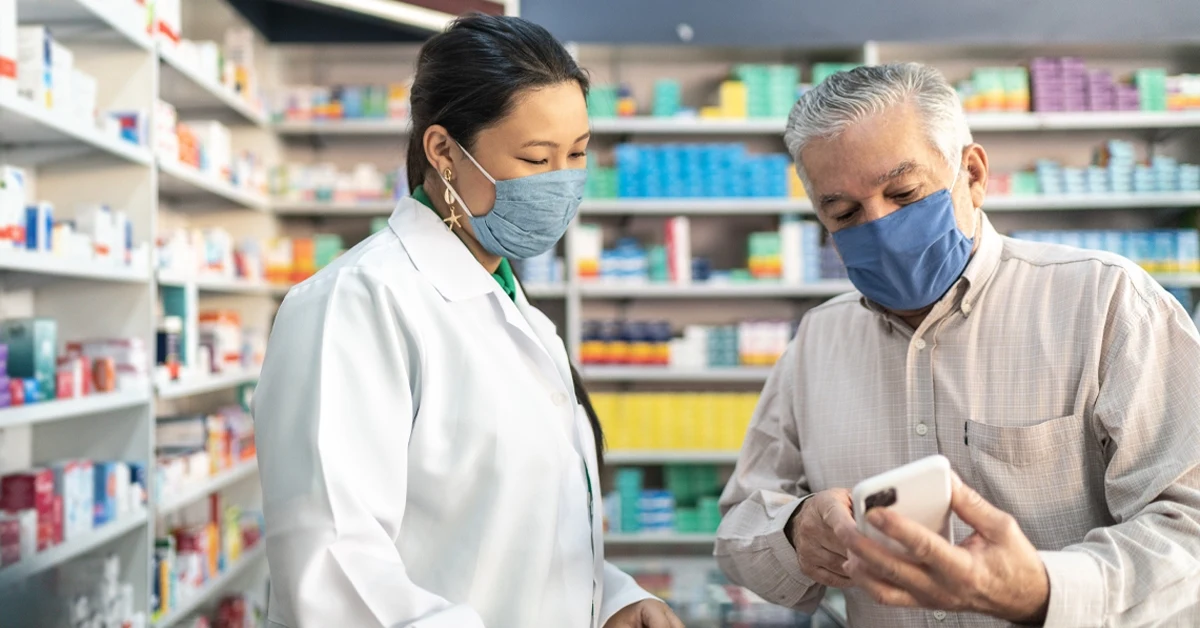
Don’t be afraid to ask your pharmacist for help during an emergency. In many cases, they are allowed to use their clinical judgment to refill a prescription, in accordance with the laws in your state. Pharmacies are also often open later than your health care provider’s office, so you may be able to reach your pharmacy in the evening after your provider has left for the day.
[1]: https://www.kff.org/policy-watch/states-are-shifting-how-they-cover-prescription-drugs-in-response-to-covid-19/
[2]: https://blogs.cdc.gov/publichealthmatters/2019/09/prescription-preparedness/
How to Save on an Emergency Prescription
Emergency refills may not always be covered by your insurance company. But, there are ways you can save, or receive financial assistance. [RxSaver][1] is a free-to-use prescription drug coupon platform that offers coupons for more than 6,000 prescription medications. To use RxSaver, visit the website or use the [free mobile app][2] to type in your prescription to find coupons for pharmacies near you.
In addition, when activated, the [Emergency Prescription Assistance Program][3] (EPAP) allows enrolled pharmacies to process claims for certain prescription medications, medical supplies, and medical equipment for eligible individuals living in a Federally-identified disaster area. Eligible individuals may be able to receive necessary medication and refills for as long as EPAP is activated.
If you have to pay out of pocket for your emergency refill, keep the receipt. Then contact your insurance company about their process for reimbursement, or to file an appeal if they deny you coverage for your emergency refill.
Always Prepare Ahead of A Major Storm or Emergency If Possible
When you know that a severe weather event is on the horizon, plan ahead of time. It is not a bad idea to have an emergency medical and first aid kit in your home. Creating an emergency medical kit is easy. Just be sure to include:
- List of medications you take
- Extra prescription medication
- Extra OTC medication
- Antiseptic
- Bandages
- Non-perishable food items
- Clean drinking water
It would be nice if we were able to predict every accident or emergency, but sometimes that is simply not possible. So, if you find yourself in a bind, reach out to your pharmacy and your health care provider. They are here to keep you healthy during good times, and unexpected emergencies.
[1]: https://www.rxsaver.com/
[2]: https://rxsaver.onelink.me/oIQM/bc2be2b5
[3]: https://www.phe.gov/Preparedness/planning/epap/Pages/about-epap.aspx

Jennifer Hadley
Jen Hadley is a freelance writer and journalist based in Los Angeles, who writes extensively about the medical, legal, health care, and consumer products industries. Jen is a regular contributor to RxSaver.

Carina Fung, PharmD, BCPPS
Carina Fung, PharmD, BCPPS., is a pharmacist who earned her PharmD from St. John’s University in Queens, NY. She maintains an active practice, serving as a Board-Certified Pediatric Pharmacotherapy Specialist at a large metropolitan teaching hospital in New York City. Carina has also published in pharmacy journals and works as a consultant reviewing medical articles for publication.
The information on this site is generalized and is not medical advice. It is intended to supplement, not substitute for, the expertise and judgment of your healthcare professional. Always seek the advice of your healthcare professional with any questions you may have regarding a medical condition. Never disregard seeking advice or delay in seeking treatment because of something you have read on our site. RxSaver makes no warranty as to the accuracy, reliability or completeness of this information.
If you are in crisis or you think you may have a medical emergency, call your doctor or 911 immediately.