
How Do EpiPens Work, and What Do They Treat?
By Jennifer Hadley••Updated April 21, 2021
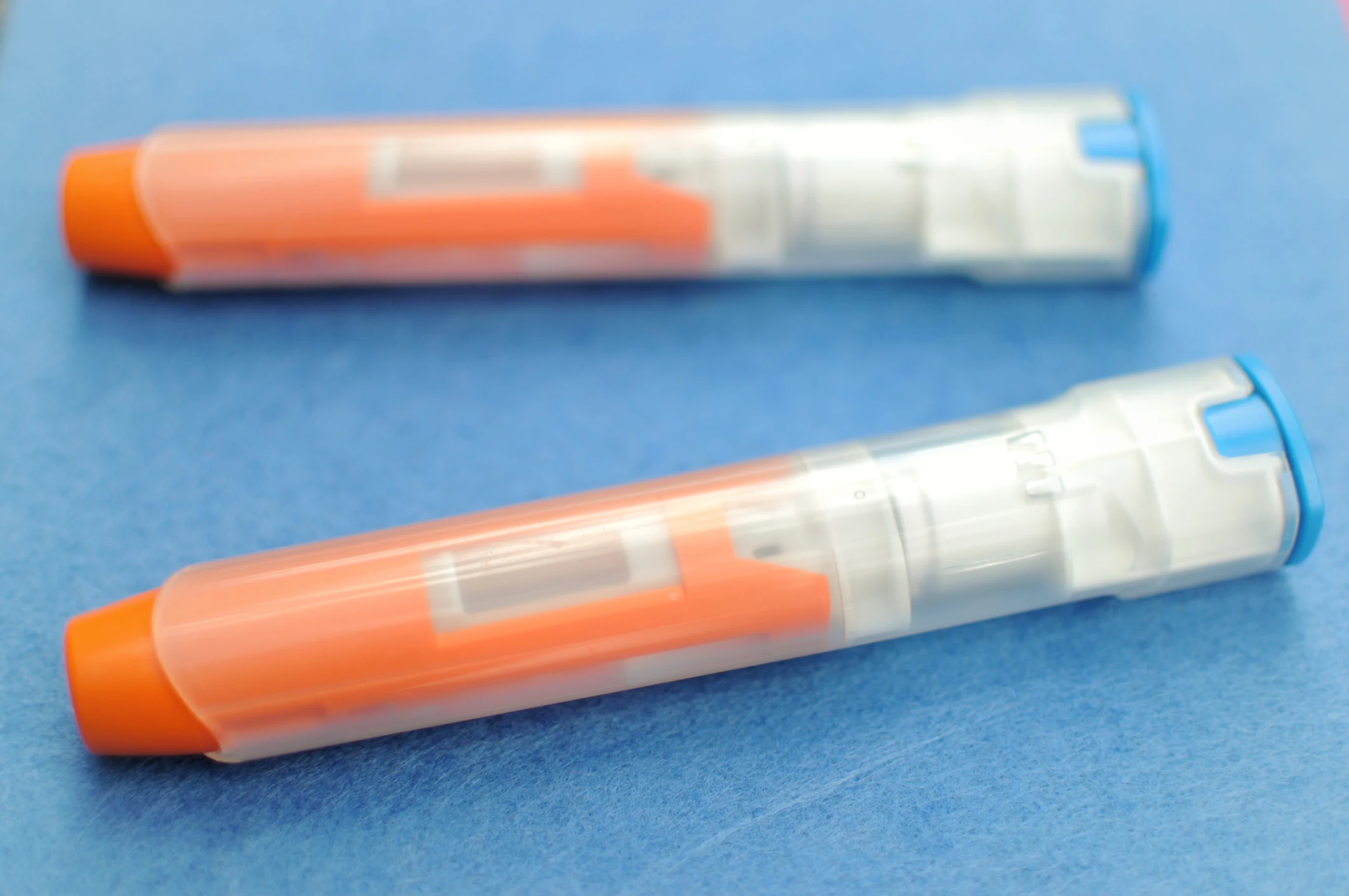
For countless Americans who suffer from severe, and potentially fatal allergic reactions (anaphylaxis), an immediate injection of epinephrine is necessary. The most well-known single-use, disposable epinephrine auto-injector is sold under the brand name EpiPen.
As a life-saving device for those with severe allergies to certain foods, medications, or insect bites and stings, an EpiPen shortage began in the spring of 2018. Today, more than 2 years later, the EpiPen manufacturer reports there still remains a shortage.
Fortunately, in addition to the brand name EpiPen, generic epinephrine auto-injectors are also available, taking some of the fear and frustration away from those with severe food, medication, and insect-related allergies. RxSaver™ offers coupons for epinephrine auto-injectors which can help those with severe allergies to stay safe while saving money.
The cost of epinephrine without insurance starts at $139.00* for 0.3/0.3 and 1 auto injct. using an RxSaver coupon."
How EpiPens Work
EpiPens deliver an immediate injection of epinephrine to those suffering from anaphylaxis. At the first sign of anaphylaxis, the EpiPen should be used to inject epinephrine into the muscles of the outer thigh. The auto-injectors are designed to be able to penetrate clothing.
The EpiPen should be held with the cap pointing down and then using a swinging motion, penetrate the outer thigh, at an approximate 90-degree angle. The auto-injector will make a clicking noise. The clicking noise indicates that the injection has begun, and the epinephrine should be fully delivered within a few seconds.
Epinephrine immediately begins to constrict blood vessels, which leads to increased blood pressure and increases your heart rate. At the same time, epinephrine relaxes the smooth muscles within your lungs, thereby reducing wheezing and improving breathing. Epinephrine also reduces swelling and/or hives which occur as the result of a food allergy, drug allergy, or allergic reaction to an insect bite or sting.
As a first-line treatment for anaphylaxis, after using the auto-injector, you should immediately go to the hospital to seek further medical treatment.
How to Afford an EpiPen Without Insurance
Generic epinephrine auto-injectors are often less expensive than the brand name EpiPen auto-injector. Available in both 0.3mg and 0.15mg doses, coupons for EpiPen can bring down the price of epinephrine auto-injectors for those without insurance.
What allergies do you need an EpiPen for?
EpiPens and generic epinephrine auto-injectors serve as a first-line defense against anaphylaxis brought about by any severe allergic reaction. Allergic reactions to foods, insect stings and bites, and drug allergies can be treated with an EpiPen.
EpiPen for Food Allergies
According to studies conducted by FARE (Food Allergy Research & Education), approximately 32 million Americans have food allergies, with more than 170 different foods causing allergic reactions. There are nine major food allergens that are responsible for the most serious allergic reactions in the United States. Listed from most common to least common:
- Shellfish
- Milk
- Peanut
- Tree Nuts
- Egg
- Fin Fish
- Wheat
- Soy
- Sesame
EpiPen for Insect Allergies
Allergies to insect bites or stings can cause anaphylaxis, requiring epinephrine injections in children and adults. The Asthma and Allergy Foundation of America names the following insects and insect-like bugs as potential allergens:
- Stinging insects (bees, hornets, yellow jackets, wasps)
- Biting insects (fleas, bedbugs, mosquitoes, kissing bugs)
- Non-stinging/non-biting insects (cockroaches, dust mites)
EpiPen for Drug Allergies
Any over the counter or prescription medication can potentially cause an allergic reaction. However, some drugs are especially likely to cause severe allergic reactions in children and adults. Common drug allergies include:
- Antibiotics (penicillin)
- Aspirin
- Ibuprofen (Motrin, Advil)
- Chemotherapy drugs
- Naproxen sodium (Aleve)
- Anticonvulsants
When should you use an EpiPen?
An EpiPen or other epinephrine auto-injector should be used at the first sign of a serious allergic reaction. A delay in using epinephrine may result in death. If you suspect that you or a loved one with a previous history of severe allergic reactions has ingested a known allergen, use the EpiPen immediately.
Symptoms of Anaphylaxis
Allergic reactions to food, medication, or an insect sting or bite may produce severe symptoms quickly. Signs and symptoms of anaphylaxis include:
- Hives
- Rashes
- Difficulty breathing
- Itchy skin
- Swelling of the face, mouth, tongue, lips, throat
- Runny nose
- Nausea
- Vomiting
- Fainting/dizziness
- Abdominal pain
- Rapid heart rate
- Itchy throat
Importance of Carrying An EpiPen With You
If you’ve been prescribed an EpiPen or generic epinephrine auto-injector, it should be carried with you at all times. The immediate injection of epinephrine at the first sign of anaphylaxis can save your life until you can seek medical care. Current guidelines from the Annals of Allergy, Asthma & Immunology recommend that those with severe allergies carry two doses (two autoinjectors) with you at all times, in the event that one dose does not sufficiently reduce symptoms before you can be treated by a health care professional.
*Lowest online price at national pharmacy chains Costco, CVS, RiteAid, Walgreens and Walmart as of 4/21/2021. Prices vary by location and pharmacy, see RxSaver.com for actual pricing in your area.

Jennifer Hadley
Jen Hadley is a freelance writer and journalist based in Los Angeles, who writes extensively about the medical, legal, health care, and consumer products industries. Jen is a regular contributor to RxSaver.

Carina Fung, PharmD, BCPPS
Carina Fung, PharmD, BCPPS., is a pharmacist who earned her PharmD from St. John’s University in Queens, NY. She maintains an active practice, serving as a Board-Certified Pediatric Pharmacotherapy Specialist at a large metropolitan teaching hospital in New York City. Carina has also published in pharmacy journals and works as a consultant reviewing medical articles for publication.
The information on this site is generalized and is not medical advice. It is intended to supplement, not substitute for, the expertise and judgment of your healthcare professional. Always seek the advice of your healthcare professional with any questions you may have regarding a medical condition. Never disregard seeking advice or delay in seeking treatment because of something you have read on our site. RxSaver makes no warranty as to the accuracy, reliability or completeness of this information.
If you are in crisis or you think you may have a medical emergency, call your doctor or 911 immediately.