What’s The Difference Between A Viral & Bacterial Infection?
By Maya Heinert, MD•
Common ColdCOVID-19The Flu
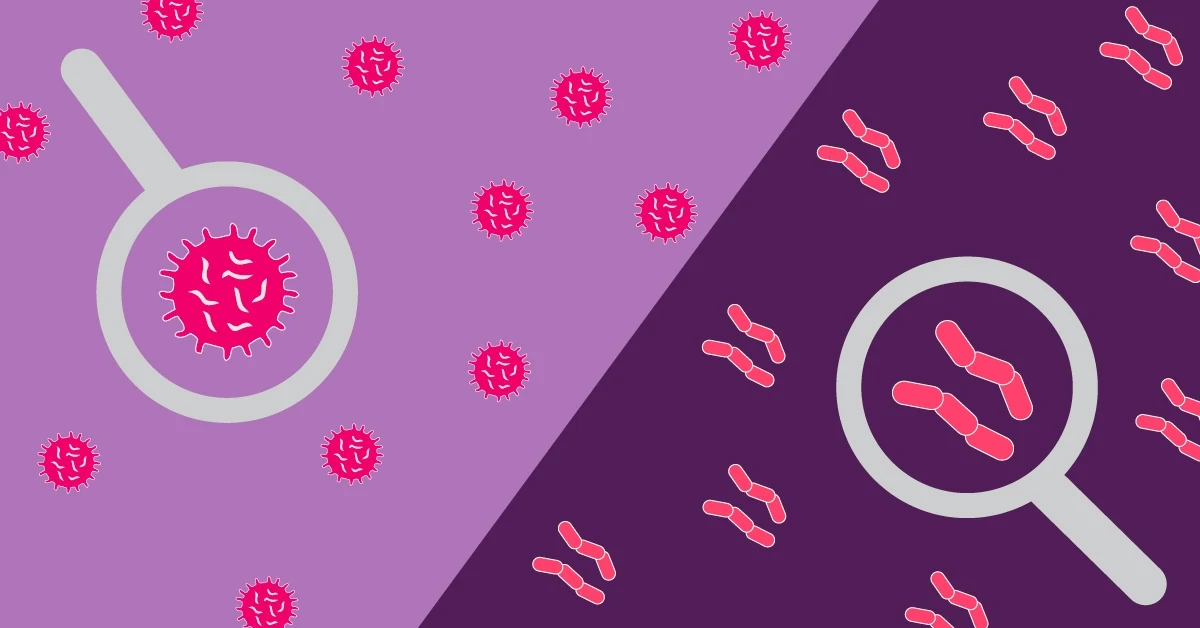
In the last few months, much attention has been placed on the difference between viral infections, bacterial infections, and how people should protect themselves from the illnesses caused by these organisms. In order to understand how these infections work and how they attack the immune system, we must first understand the similarities and differences between the two microbes.
What are microbes?
The word “microbe” is short for microorganisms, referring to all of the tiny animals, plants and one-celled organisms that can only be seen under a microscope. Bacteria and viruses are both types of microbes, although viruses differ from all the other microbes because they are not considered living organisms.
The majority of bacteria that exist are harmless and play a role in human life which include: aiding in food digestion, nutrient extraction, destroying disease-causing bacteria, assisting the body in fighting cancer and providing essential nutrients to the body
What is a virus?
A virus is a submicroscopic piece of genetic material (DNA or RNA). Viruses are extremely small and are contained within a protein shell which serves as protection and can infect another living cell. Since viruses are parasitic, they are dependent upon a host cell in order to replicate. As a virus takes over all cellular function it will ultimately destroy its host.
Viruses can infect any other living thing including plants, animals, and even bacteria. They replicate by directing the cell’s metabolism to create more viruses at the expense of the cell’s own needs.
What is bacteria?
Bacteria, or bacterium, is a complex unicellular organism, encased in a cell membrane and containing the machinery to survive on its own. Bacteria are able to metabolize nutrients and replicate themselves without any aid.
Bacteria are located everywhere and have existed for almost 4 billion years likely the earliest form of life. Bacteria can survive in many different environments including extreme heat or freezing temperatures, radioactive waste, and places with no oxygen.
Similar to all other forms of life, if bacteria have a nutrient supply in the right conditions they are sustainable on their own. This is a key point of differentiation between bacteria and viruses.
What causes bacterial infections?
There are billions of bacteria that inhabit the human gut and play a role in food digestion, nutrient release, and immune response.
Many billions more live on our skin, in our noses and throats and other organs and cause us no harm in daily life. Bacteria that live in and on our bodies have spent millions of years learning how to coexist with humans. But when these bacteria are accidentally introduced into another part of the body, or into a part of the body that should be sterile (eg, the urinary tract or the spinal fluid channel) they can replicate and cause serious illness.
Illness occurs when pathogenic, or disease-causing, bacteria overpower the immune system. This can happen when a healthy person is exposed to pathogenic bacteria and has no immunity to the bacteria, or in people who are immunocompromised, have an underlying medical issue, or who are at the extremes of age (infants and the very old).
Bacteria can also cause illness by the release of toxins which occurs in some types of food poisoning. When people ingest the toxin they are ill, but once the toxin is metabolized, the symptoms end fairly quickly.
What causes viral infections?
Viral particles reside within other organisms. They can live briefly on surfaces and in the air, but their existence depends upon host cells. From another host, some viruses can enter the human body and attach to human cells. Once a virus particle attaches to a human cell, it inserts its genetic material inside of the cell.
The virus then essentially takes over all cell processes and directs its own replication. As the viral load increases, the host cell will eventually burst and release thousands of new viruses into the body ready to infect new cells.
Whether bacterial or viral, the body’s own response to an invasion of pathogenic microbes can be a significant part of the course of their illness. The immune response can occur to either a viral or bacterial infection. An important part of the infection process is actually the body’s own natural defense system in reaction to the virus. During an infection, the body’s immune system releases chemicals that act as messengers to call specialized immune cells into the area to help fight. Soon, lymphocytes, macrophages and other white blood cells rush to the area of infection. But the build up of these chemicals can overwhelm the body’s ability to function properly and can be fatal; this reaction is called a cytokine storm.
The most common viruses are respiratory such as the common cold and gastrointestinal viruses like a stomach flu. They are so common because of their ease of access into the body through unwashed hands, air-borne or foodborne contamination, and surface contamination.
What is the difference between viral infection and bacterial infection?
In terms of impact to the human body, there is not much difference between a viral and a bacterial infection. Many of the early and common symptoms are exactly the same – fever, sore throat, aches and pains, fatigue. Speaking broadly, more bacterial infections are harmful as in the case of bacterial meningitis, or sepsis (bacteremia) in the bloodstream. Many viral illnesses are milder in form and are left to run their own course.
However, even before COVID-19, the medical community was aware of the potential danger and spread of viral infection: Smallpox, HIV/AIDS, Ebola, measles, and SARS are some of the most lethal viruses known to man.
Bacterial infections are typically treated by antibiotics, but viral infections cannot be treated by antibiotics since these medications cannot kill a virus. Unfortunately, many viral infections typically need to run their course or be treated by antiviral, if one is available.
How are bacterial and viral infections diagnosed?
Health care providers use many tools to determine the cause of infections in their patients. An infection can be diagnosed through the combination of a physical exam, symptom verification, and the patient’s risk factors.
Since symptoms of a bacterial or viral infection can be so similar, the symptoms alone may not help much in the diagnosis.
A physical examination of a patient can help a health care provider make a better determination. Visual clues can help diagnose specific infections, for example, strep throat can have a white layer of pus on the tonsils. Certain viral infections have classic rashes such as chickenpox, shingles, measles and herpes.
Lab tests can positively identify the cause of an infection in some cases, or can help differentiate between a viral and bacterial infection. White blood cell counts increase in any infection, but may be extremely high in bacterial infections. Blood, urine, and spinal fluid cultures can show if a patient’s bodily fluid is infected with bacteria. Throat swabs can pick up the presence of some pathogens. X-rays can help narrow down bacterial versus viral pneumonia by the way the lungs appear.
Is there a difference between being infectious and being contagious?
The definition of an infection is the entrance of a pathogenic microbe into the body, resulting in symptoms that harm the host – an infection of some kind. Not all infections are contagious though, meaning not all are able to spread from person to person.
An example of a non-contagious infection is Lyme disease; the infection cannot be passed from someone who is infected and can only be caused by the bite of an infected tick.
Infections that are highly contagious, meaning they can spread from person to person easily, include measles, influenza, colds and the COVID-19 virus.
The ability of any microbe to infect other humans is completely dependent upon its own physiologic factors and the susceptibility of the host: Some people are more susceptible to infection because of their age, medical conditions, or other risk factors.
How are bacteria and viruses spread?
Microbes (viruses and bacteria) enter into the body through a variety of ways, including the nose, mouth, eyes, through sexual contact and through open cuts on the skin. People acquire microbes by touching contaminated surfaces and then touching their own bodies, most notably their faces or mouths. If a virus is contagious, it can be spread through someone sneezing or coughing, which dispels the microbe out into the open air and possibly onto someone else.
Another common type of transmission is called “Fecal-oral” and occurs when a person infected with a microbe that causes gastrointestinal symptoms, prepares or serves food without proper hand disinfection.
How long do bacterial and viral infections last?
Common viral infections, like the common cold, generally take 7-10 days from start until recovery. In smaller children, it may take longer to recover and infections may occur more frequently in kids per year than in adults.
Bacterial infections can create symptoms that last longer than 7-10 days unless treatment such as antibiotics are taken. While bacterial infections often result in a notably high fever, in reality the height of a fever is not an effective way to determine either the type or severity of an infection since so many other factors affect body temperature.
The duration of fever however can be a clue: viral fevers tend to resolve within 3 days; fever from a bacterial infection that is untreated will often persist over 5 days and is a reason to see a physician .
Are there treatments and cures for bacterial and viral infections?
Infections due to viruses or bacteria can’t always be effectively treated by medication and sometimes may result in death. The case fatality rate helps to determine how lethal a particular infection is compared to other infections. There are other forms of medical care that can provide temporary relief:
- Supportive care is basic medical care that can be provided in the hospital or at home to help with symptoms and pain from an infection. Measures can include plenty of fluids, control of fever, bed rest, and isolation from other family members under the same house.
- Antibiotics are prescription medications that can help treat bacterial infection. Thanks to decades of research there are numerous antibiotic drugs that can defeat specific infections. The most common bacterial infections can usually be treated with antibiotics, and are successful in eliminating the infection unless the infection has already overwhelmed the body’s immune system.
- Antivirals are drugs designed specifically to attack viruses. These drugs are less common and not always as effective as their bacterial counterpart. Scientists have not yet developed antivirals for some of the most common viral infections in the world such as the common coronavirus that causes a regular cold
How can bacterial and viral infections be prevented?
Since the medical treatment of microbial infections is not always successful, individual avoidance of an infection in the first place is the most effective prevention.
There are 4 easy ways to help arm yourself and protect against getting sick from either a viral or bacterial infection:
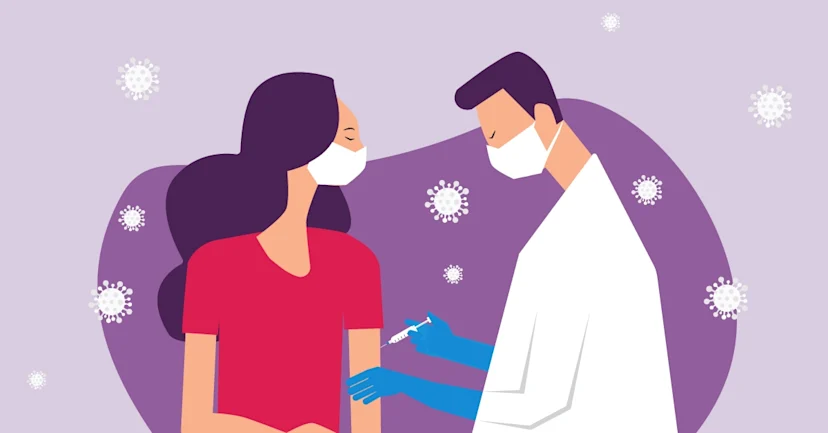
Vaccines: Educating yourself and your family on the importance of vaccines is the first line of defense against common viruses like the flu and other types of viral infections. While vaccines are not 100% effective, vaccines are a critical preventative health measure. Smallpox has been eradicated through the use of vaccines. Measles, Mumps, Rubella, Varicella (chickenpox), Tetanus, and Diphtheria were among the world’s most common infections; these have all been brought under control through the use of vaccines.
- Washing hands: Washing your hands frequently with soap and warm water for at least 20 seconds can prevent the passing of germs. Always wash your hands properly and frequently.
- Personal hygiene: Practicing safe and common measures in public and at home if sick can help the spread of microbes. If you sneeze or cough in public be sure to do so in the crook of your arm, or into a tissue.
- Self-isolation: Always self-isolate when you are sick. Staying home when you have a cough helps you recover in an appropriate environment, while also protecting others you would expose in public or at the office. When you notice subtle signs of an illness coming on, such as a scratchy throat, sneezing, and fatigue, take care of yourself quickly. During these times, it’s more important than ever to keep not only your own health top of mind but that of your family and community.

Maya Heinert, MD
Maya Heinert, MD, is a pediatric emergency medicine physician based in Sacramento. A medical expert for RxSaver, she strives to educate consumers about how everyday choices—including those about the medicines they take—impact their overall health and wellness.
The information on this site is generalized and is not medical advice. It is intended to supplement, not substitute for, the expertise and judgment of your healthcare professional. Always seek the advice of your healthcare professional with any questions you may have regarding a medical condition. Never disregard seeking advice or delay in seeking treatment because of something you have read on our site. RxSaver makes no warranty as to the accuracy, reliability or completeness of this information.
If you are in crisis or you think you may have a medical emergency, call your doctor or 911 immediately.