Are Warts Contagious? What You Should Know About Warts
By RxSaver Editors•
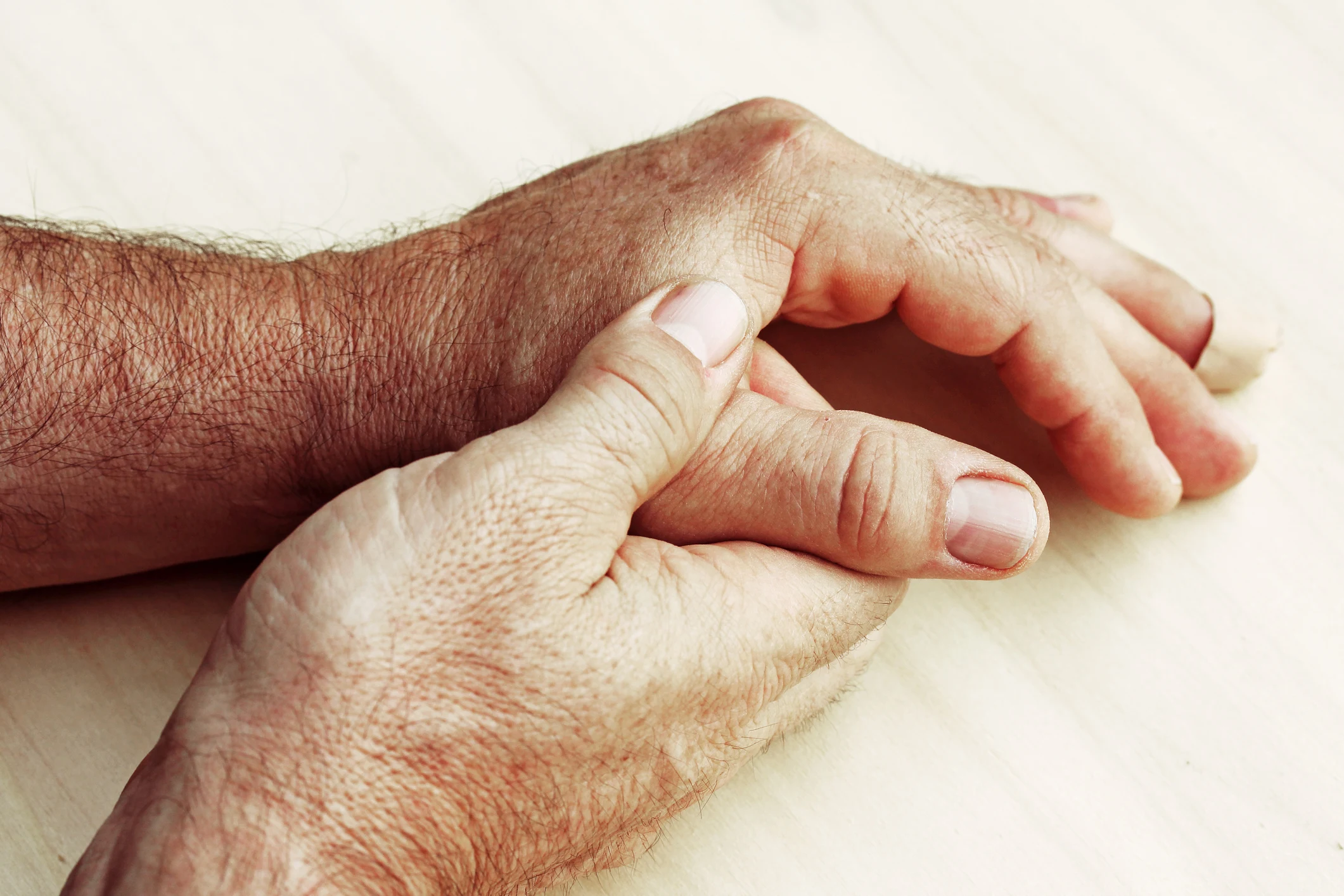
Warts have a curious history throughout the ages. While you know that folk tales and folk remedies are primarily nonsense, there are some things you are probably wondering, especially if warts are contagious and to how to get rid of them.
1. Getting Warts is Easier than You Think
Warts aren’t caused by touching a toad. They are caused by a strain of the Human Papilloma Virus (HPV) – There are over 100 different known strains of HPV. This strain is different from the one that causes cervical cancer or genital warts.
When the virus can penetrate your skin, there’s a chance that you’re going to develop an infection. Potential infection sites include places where you’ve cut yourself shaving, torn hangnails, or any nicks or cuts on your hands.
2. Are Warts Contagious? Yes
Sad to say, but warts are contagious. Because they’re caused by a virus, you can get warts by coming into contact with someone else’s warts. You can also pick up the virus by sharing things that have come in contact with their warts. For example, if they use a hand towel to dry their hands and you use the same towel, you can pick up the virus. You can also become infected by walking barefoot around pools or in public locker rooms or showers. Plantar warts are often caught this way.
3. How to Minimize Your Chances of Getting Warts
If you’re worried about catching warts, then make sure not to share towels in public locations and take advantage of the disinfectant spray at the gym. Wear gloves when you work out. If you shower in public locations, make sure to wear shower shoes or flip flops to minimize your exposure. And, it goes without saying, but wash your hands regularly.
4. How to Get Rid of Your Warts at Home
If you do happen to catch a wart, you can try some home remedies. Most of them use some form of salicylic acid to kill the exterior layer of the wart. You then use a file or pumice stone to abrade the dead layer the next day. This process can take a few weeks to work, and you need to be sure not to use the file or stone anywhere else and throw it away when you’re done.
5. When to See a Doctor for Your Warts
Warts aren’t generally dangerous for you, but the longer you have a wart, the more it can spread. If you’re exceptionally bothered by a wart’s location, you can see your doctor and dermatologist to get it removed quickly.
Two of the most common treatments involve burning or freezing the wart. In exceptional cases, a laser can be used to remove the wart. Another treatment uses cantharidin to create a blister underneath the wart. When the blister dies, the wart above it will fall off.

RxSaver Editors
RxSaver Editors are wellness enthusiasts who help you learn how you can save the most on prescription medication costs and other health-related topics.
The information on this site is generalized and is not medical advice. It is intended to supplement, not substitute for, the expertise and judgment of your healthcare professional. Always seek the advice of your healthcare professional with any questions you may have regarding a medical condition. Never disregard seeking advice or delay in seeking treatment because of something you have read on our site. RxSaver makes no warranty as to the accuracy, reliability or completeness of this information.
If you are in crisis or you think you may have a medical emergency, call your doctor or 911 immediately.